In Camera Out Camera

Published / by Jehangir

Well, it is the Age of Extremes after all. My new cameras:

Nikon Coolpix P1000 : A 3000mm (125X) equivalent optical zoom NIKKOR ED glass lens — the most powerful lens ever used on a bridge camera.
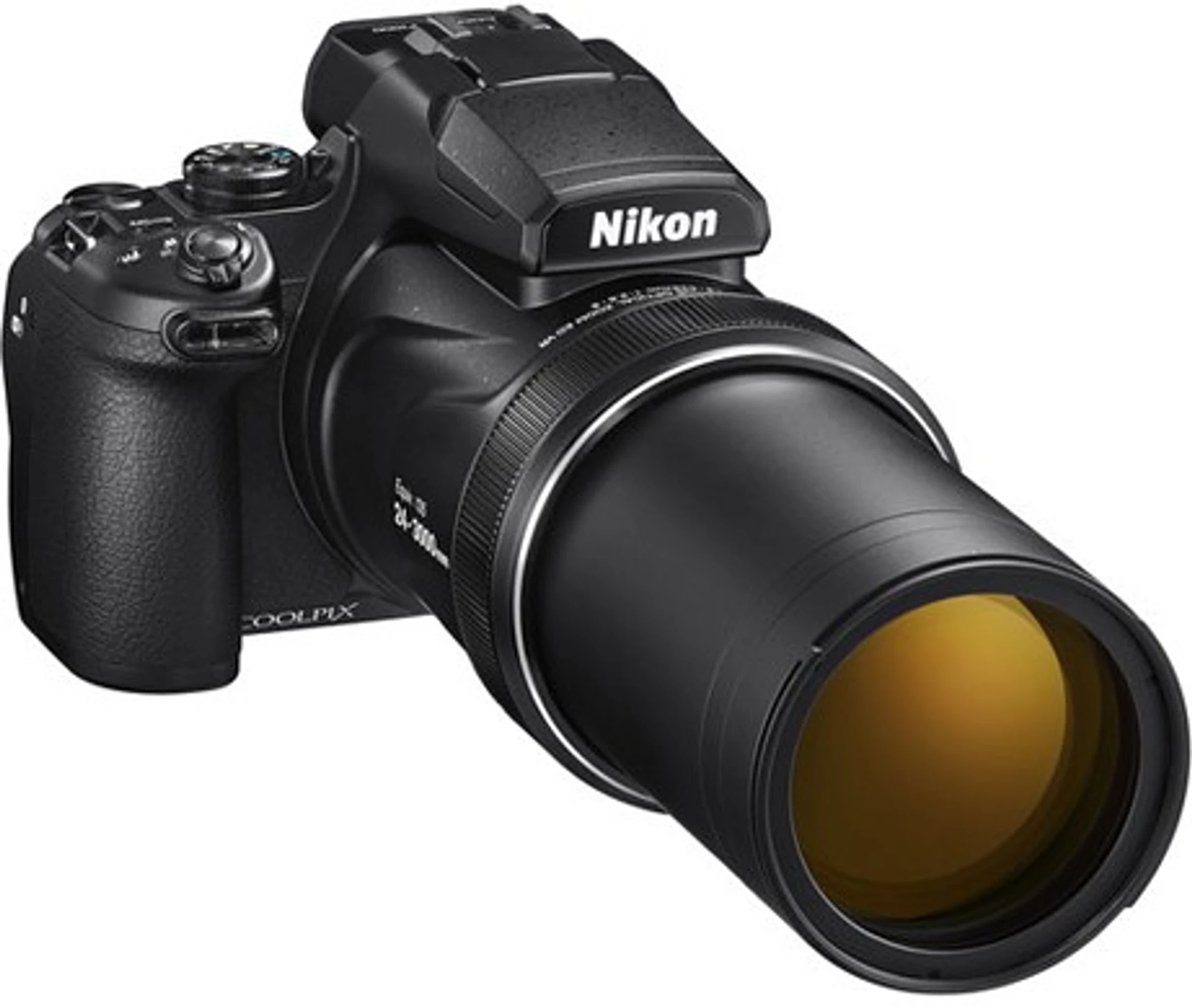
Telescope-like zoom power. This isn’t super zoom, it’s extreme zoom.

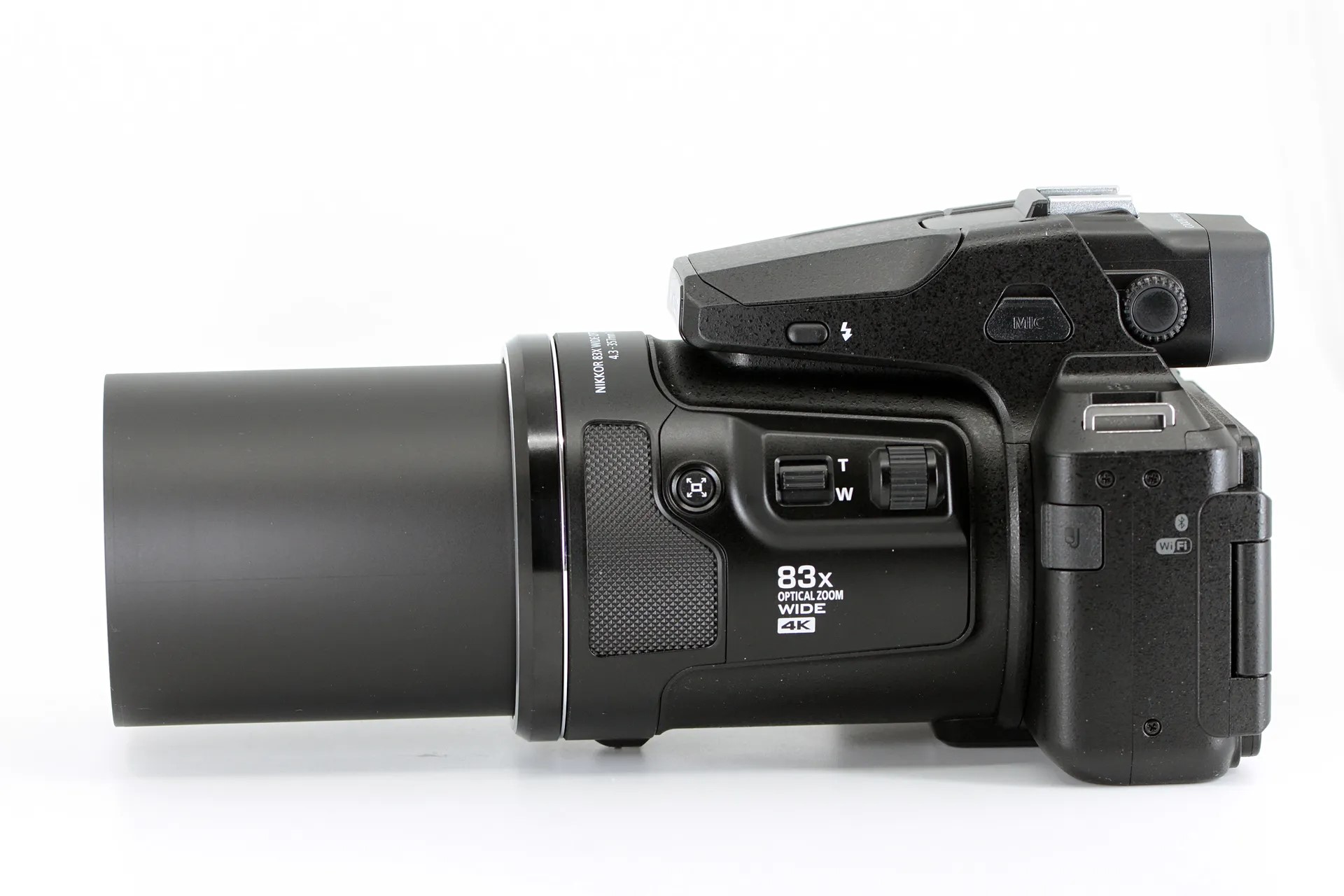
Nikon Coolpix P950 : A 2000mm (83X Optical Zoom/166X Dynamic Zoom) NIKKOR ED glass lens.
Panasonic Lumix DMC-TZ60 : A 720mm equivalent (30X) optical zoom equivalent compact (travel-zoom) camera.

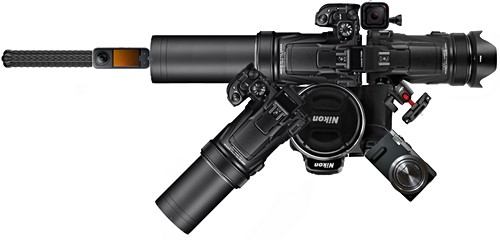
This is how I shoot wildlife 😉
Archived post from 20.10.2015:

‘Craters on the moon, wildlife from afar, your child's face on a crowded school stage’ is what the brochure for my new camera promised.

Built-in Wi-Fi connectivity with NFC and a mega 65x optical zoom is what convinced me to go for the Canon Powershot SX60 HS .

Craters on the moon: Check

Wildlife from afar : Check
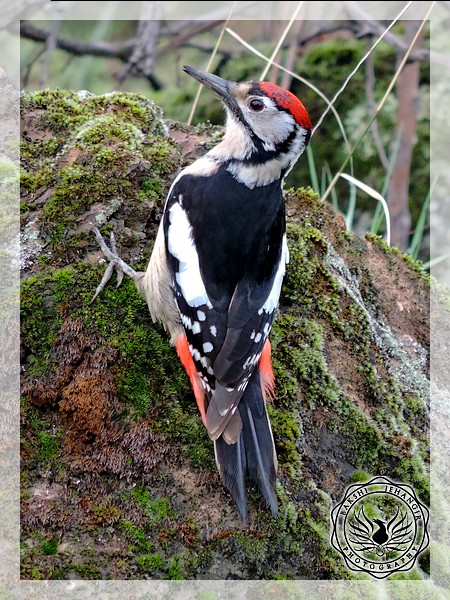
Kids on stage will have to wait 🙂

Archived post from 13.10.2010:

I finally got myself a new camera. It is a Fujifilm FinePix HS10. The 30X zoom and amazing wide-angle capability were deciding factors as I dabble a bit in nature and architectural photography.

It was after I recieved my new camera that I realised that I hadn't seen this year's TIPA Awards. Funnily enough the FinePix HS10 too was the winner in the Best Superzoom Camera category. I guess some things are just meant to be.

Here is a sample picture :

The time has come to bid farewell to my trusty old FZ10.

I had zeroed in on the Panasonic DMC FZ10 after it won an award as Best Superzoom Camera at the TIPA Awards <2006>.

Over the years, It has helped me capture some memorable photographs. You can view some of them here:

The Fluzi Gallery

P.S : I hope Jamshed has half the fun I had with the Fluzi.
Respite for a Valley

Published / by Jehangir

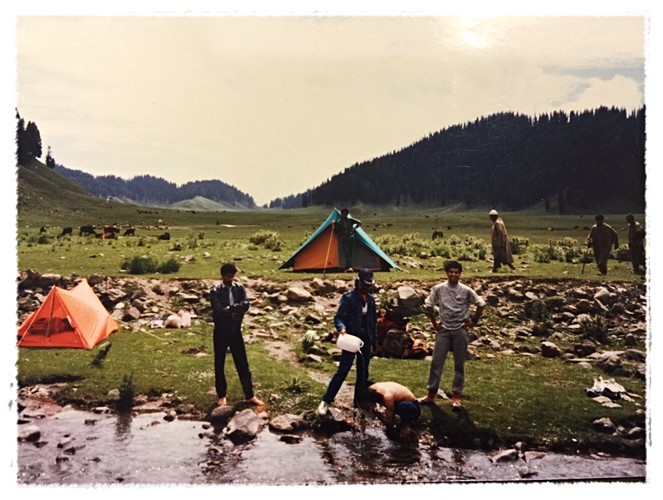
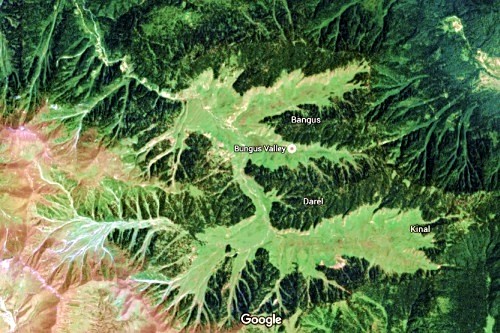
The Bangus Valley comprises of two immense 'alpine' valleys of the Pir Panjal – Bod Bangus and Lokut Bangus – separated by a narrow strip called 'gur bar' or 'gateway of horses'.

Bangus is nestled 10,000 ft. above sea level below the mountain tops of the Qazinag and Shamswari ranges in Kupwara. The Bangus mountain biome comprises of high altitude taiga/coniferous forests descending through a grassland biome to a marsh biome traversed by the Tilwan Kol brook at the valley floor.

While trekking through the pristine unexplored Bangus valleys in the 1980s, I remember thinking that you could tuck Gulmarg away in one of the side valleys and not even notice it there. The valleys were nothing short of magical – towering peaks, dense pine forests, galloping herds of horses, uniquely springy meadows, bubbling brooks and rocky hillocks that gave the appearance of ancient ruins. One felt an awesome sense of unity with the universe accentuated by non-existent human contact. The air itself had a enchanted quality – even the most conservative members of our trekking party let their hair down and danced an impromptu jig around our campfire.

Recently there was talk of opening up Bangus to commercial tourism including a '36-hole' golf course. I guess some people cannot get over their obsession with holes. I blogged about it in 2012:

'I am appalled at plans to convert the Bangus Valley into a major tourist resort. Having trekked through Bangus in happier times, the thought that this untamed paradise will soon be commercialised into a Pahalgam-like circus like torments my soul. I hope that a saner voice will call for preservation and the 'powers-that-be' shall listen.'

Apparently the powers-that-be have listened and Bangus will be preserved as a 300 sq. km. biosphere encompassing the 76 sq. kms of the twin valleys and the surrounding ranges.

As I had predicted, the conservationists seem to have prevailed over the environmentalists, but it is their apparent victory over the commercial exploiter/profiteer nexus which is more significant.

Fingers crossed on this one.

Links:

www.kashmirlife.net